Women in STEM: Statistics, Careers and the Gender Gap in 2026
How many women work in STEM in the UK? Which subjects have the largest gender gaps? The answer depends considerably on what — and who — we count.
Read the storyStories from the Museum
Long-form stories about discovery, invention and the women whose work changed what we know, what we build, and how we live.
Featured Story
How many women work in STEM in the UK? Which subjects have the largest gender gaps? The answer depends considerably on what — and who — we count.
Read the storyFrom the Archive
The Journal grows alongside the museum, connecting scientific history with the people, experiments and ideas behind it.
Women make up only around one in five Engineering and Technology undergraduates in England. The gap begins long before university — but the most revealing evidence may be what happens to women who already have the subjects that can lead them there.
Read the storyWomen are often described as underrepresented in STEM. Fourteen years of higher-education data reveal something considerably more complicated.
Read the storyProgramming was once a field in which women were unusually visible. Then computing became more prestigious, more professionalised and more culturally masculine. What happened?
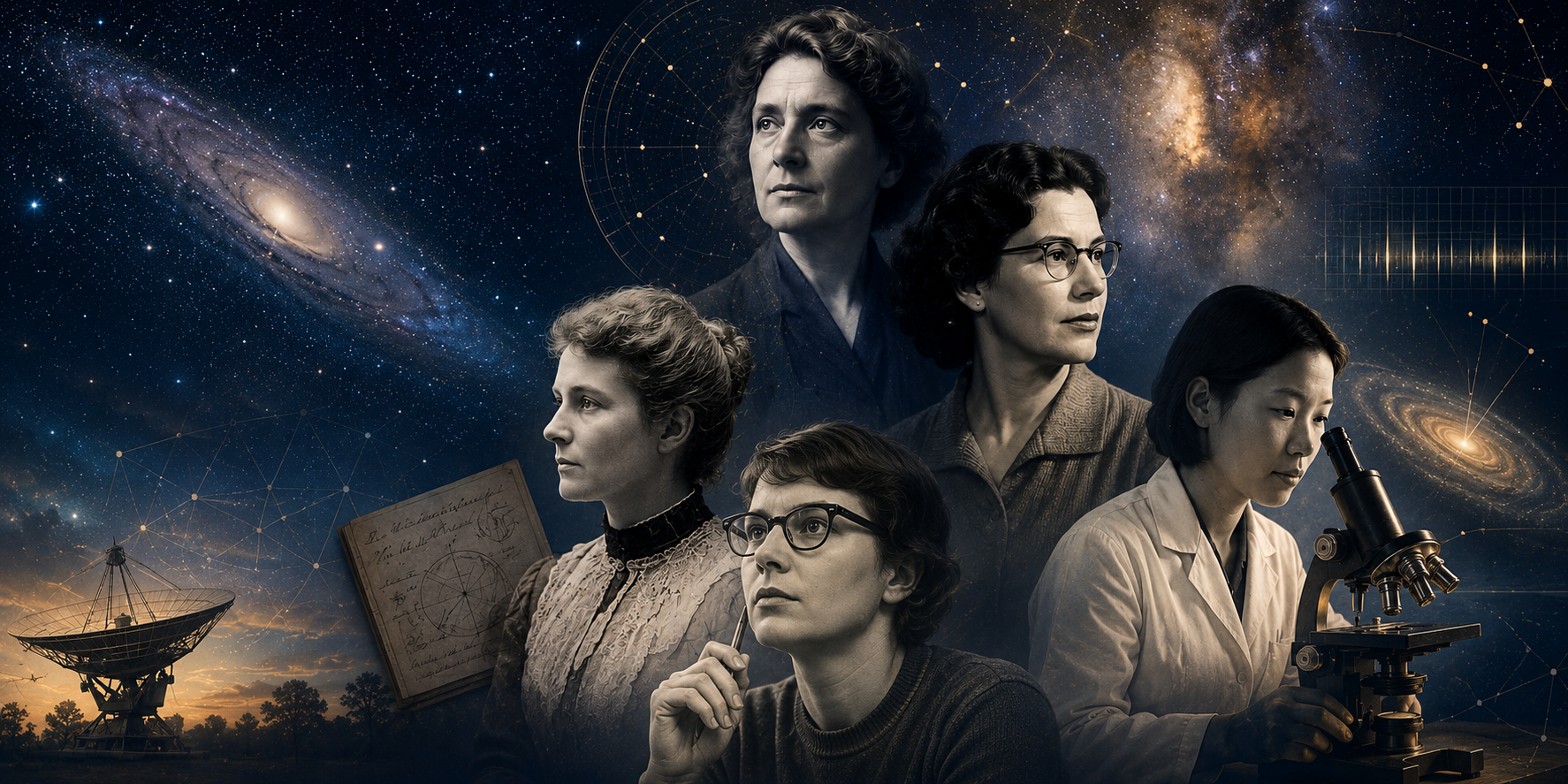
Read the storySix astronomers uncovered the distance, composition, evolution, and hidden structure of the cosmos.
Read the storyHow Ada Lovelace, Grace Hopper, Karen Spärck Jones, Fei-Fei Li and others built the infrastructure behind modern AI
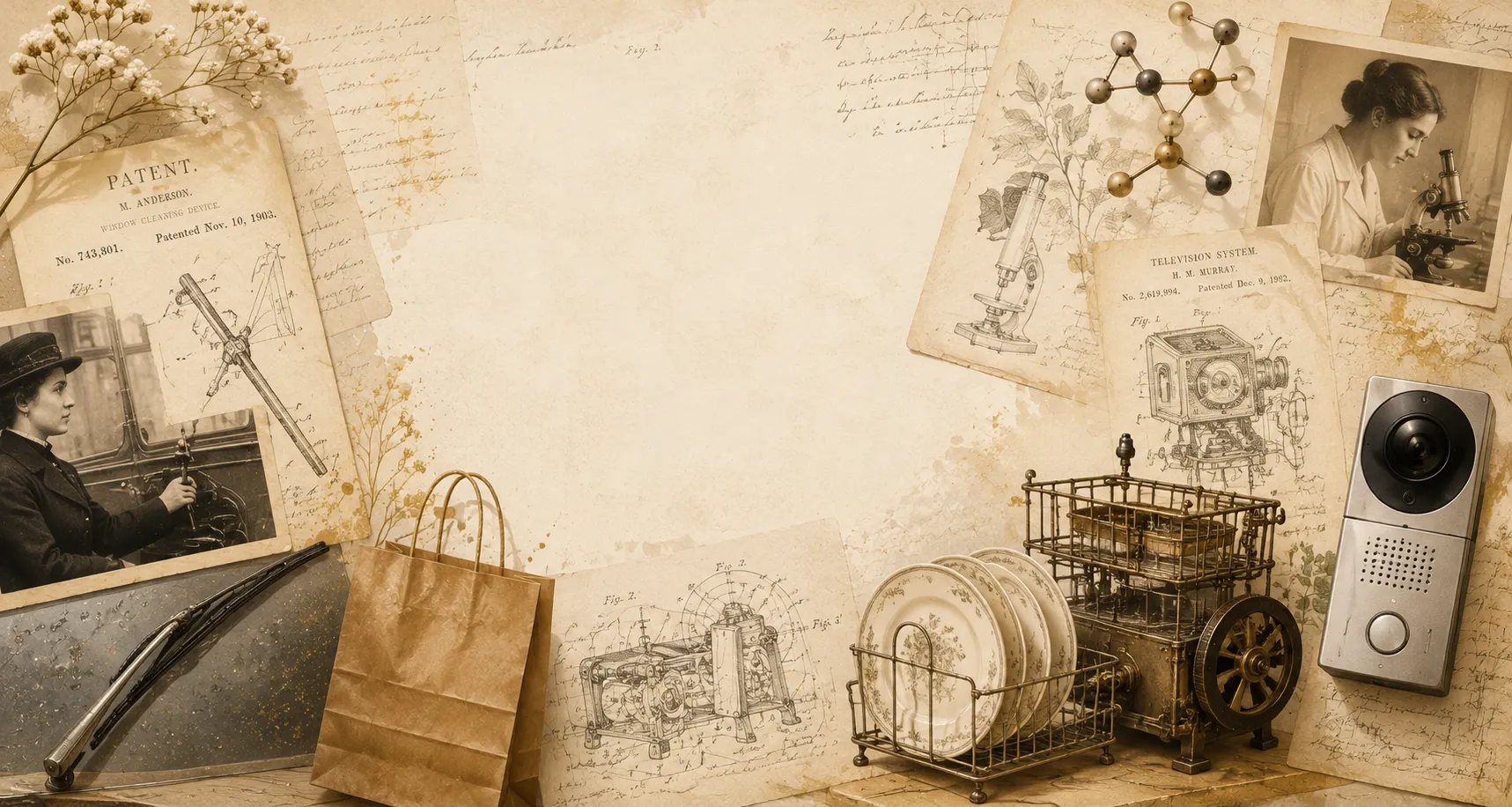
Read the storyFrom windscreen wipers and dishwashers to Kevlar, home security and IVF, these stories show how women helped shape technologies that became part of ordinary life.
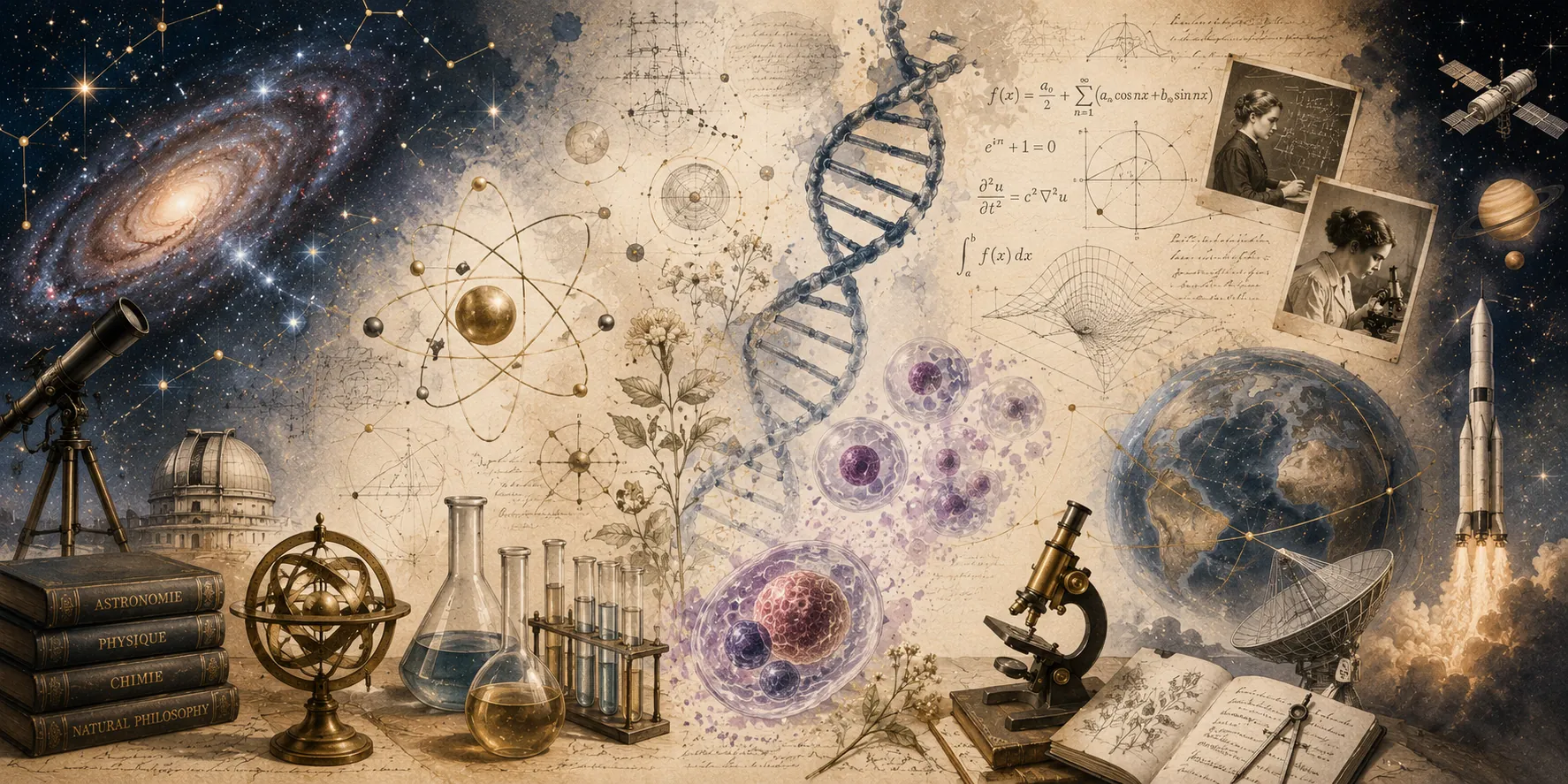
Read the storyFifteen scientists, fifteen ideas, and a journey through the discoveries that changed how we understand matter, stars, genes, medicine and the universe.
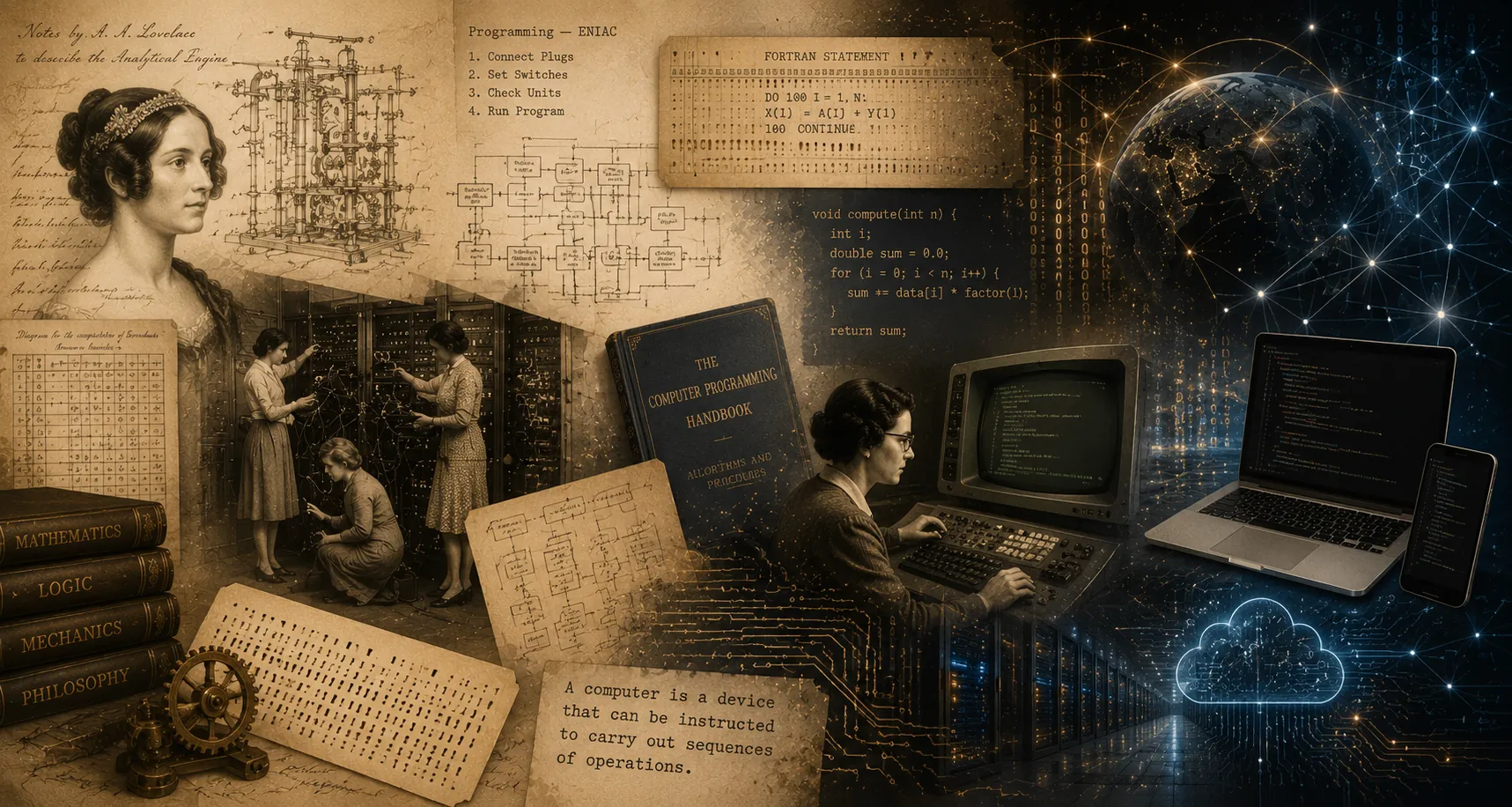
Read the storyThe modern computer was never one invention. Meet the women who helped shape programming, software engineering, search, interfaces, networking and the machines we use today.
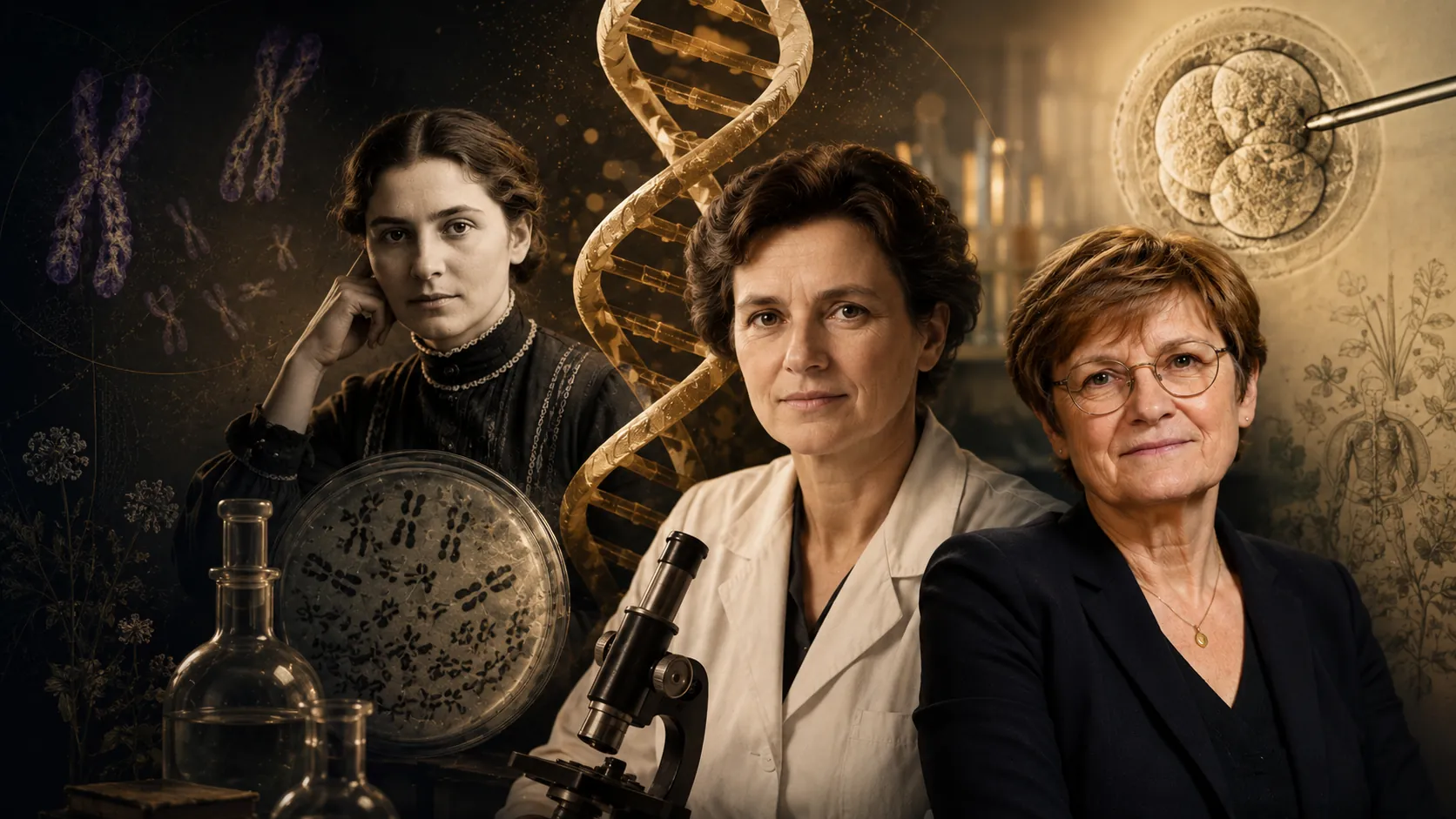
Read the storyFrom chromosomes and DNA structure to embryos, cancer genes, genome editing and mRNA, these women helped reveal how biological information becomes a human body.
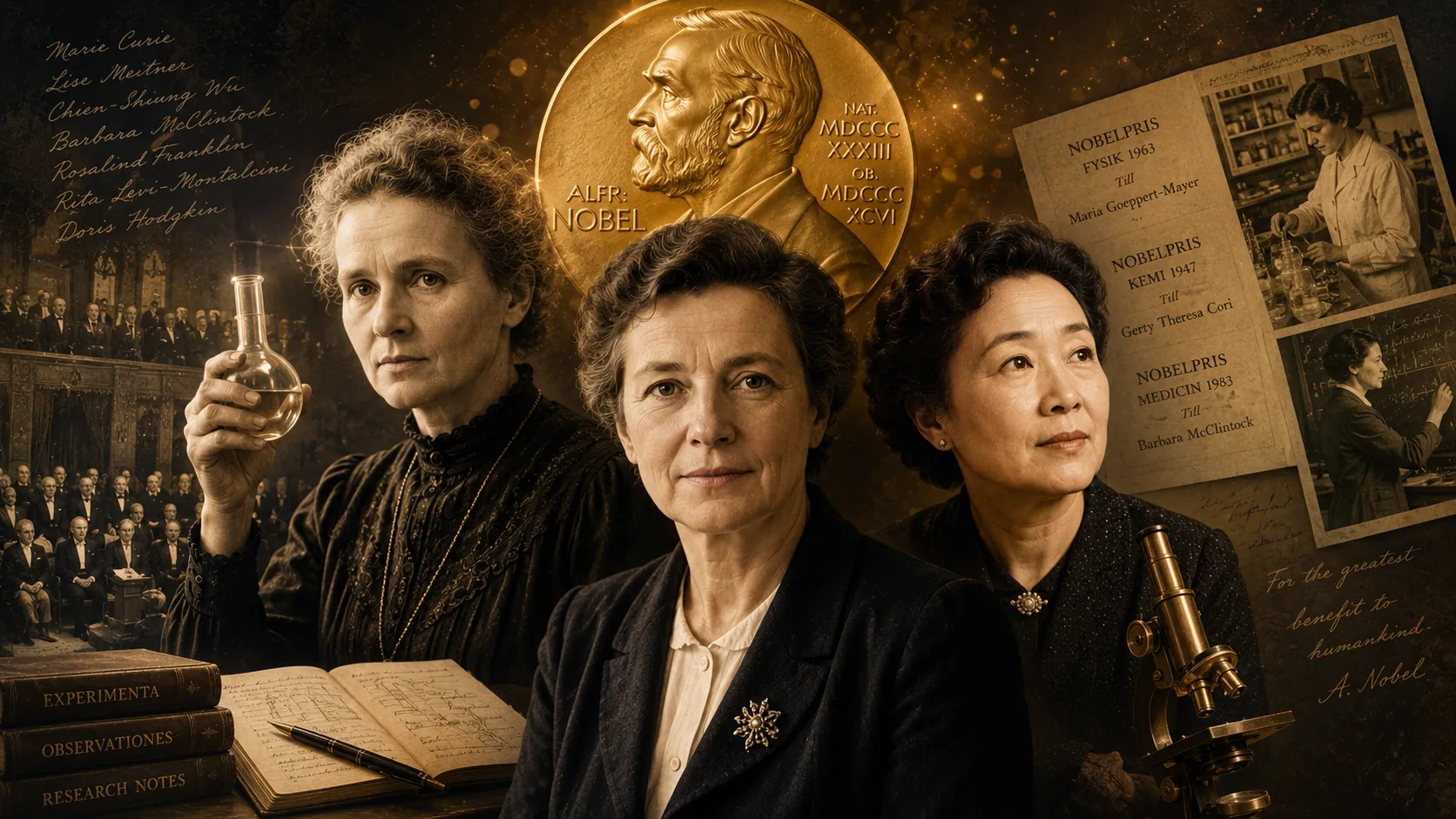
Read the storyThe Nobel Prize can immortalise a discovery. It can also compress a complicated scientific history into a handful of names.
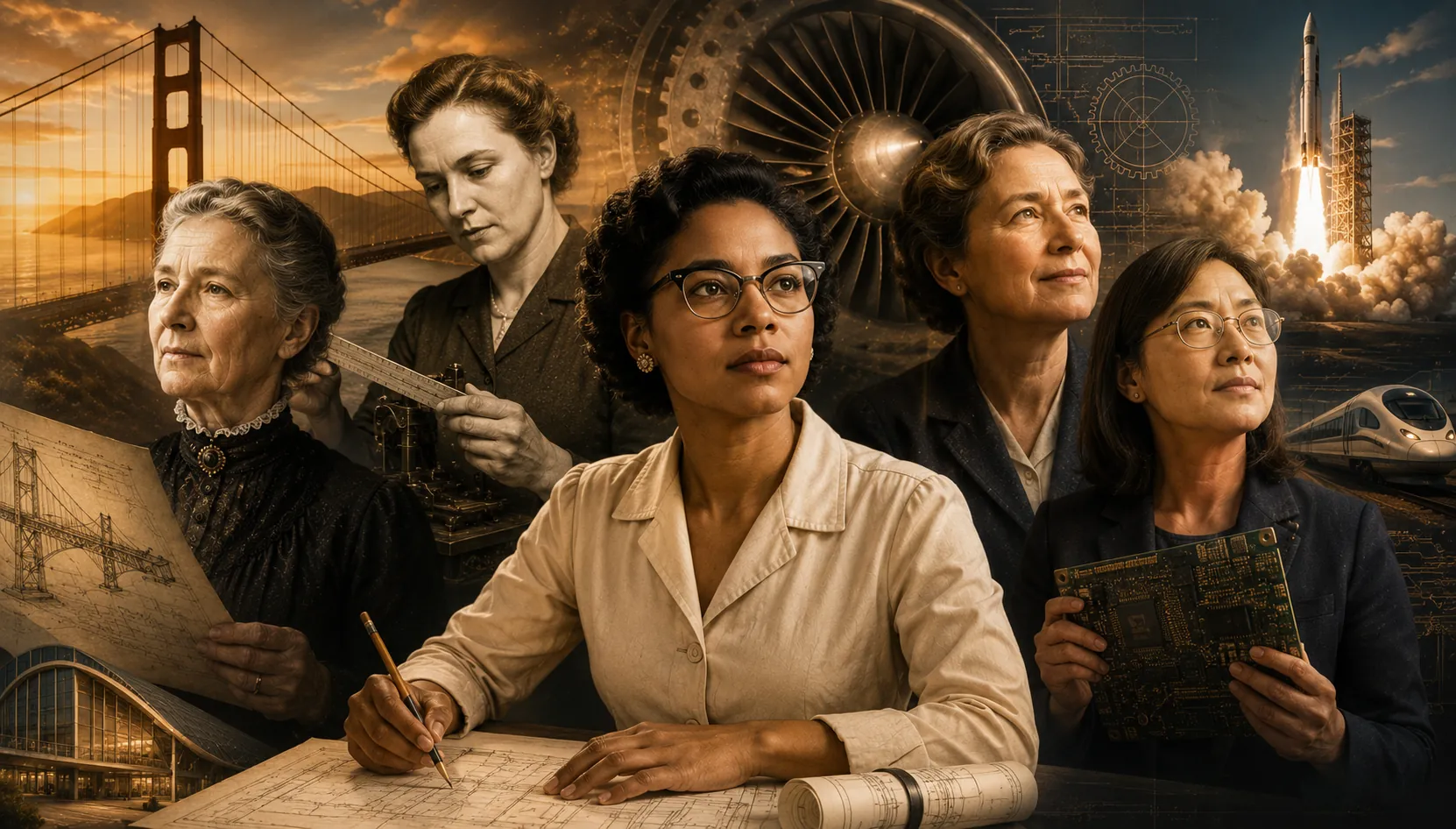
Read the storyThe bridges, machines, networks and systems that became ordinary life were built through generations of engineering — and women were part of that work.
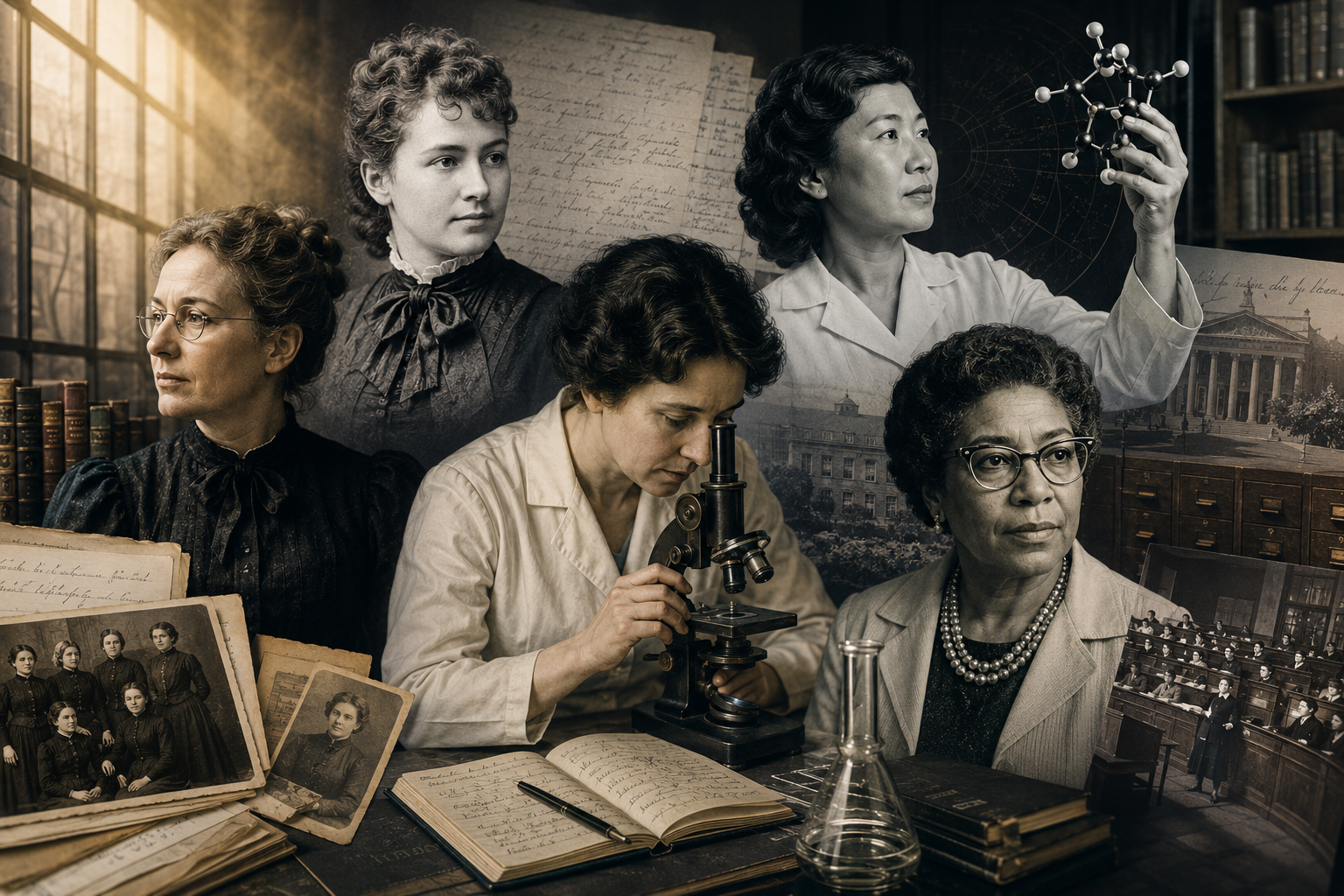
Read the storyThe problem was not simply that history forgot women. Scientific institutions also shaped whose work became visible enough to remember.
Read the storyHow scientific problems became treatments, diagnostics and technologies that changed what medicine could do
Read the storyContinue Exploring