Cepheid period-luminosity relationship
The relationship between a Cepheid variable star's pulsation period and intrinsic luminosity, known as Leavitt's Law.
Scientist Exhibit
Astronomy & Astrophysics
Discovered the period-luminosity relationship of Cepheid variable stars

Overview
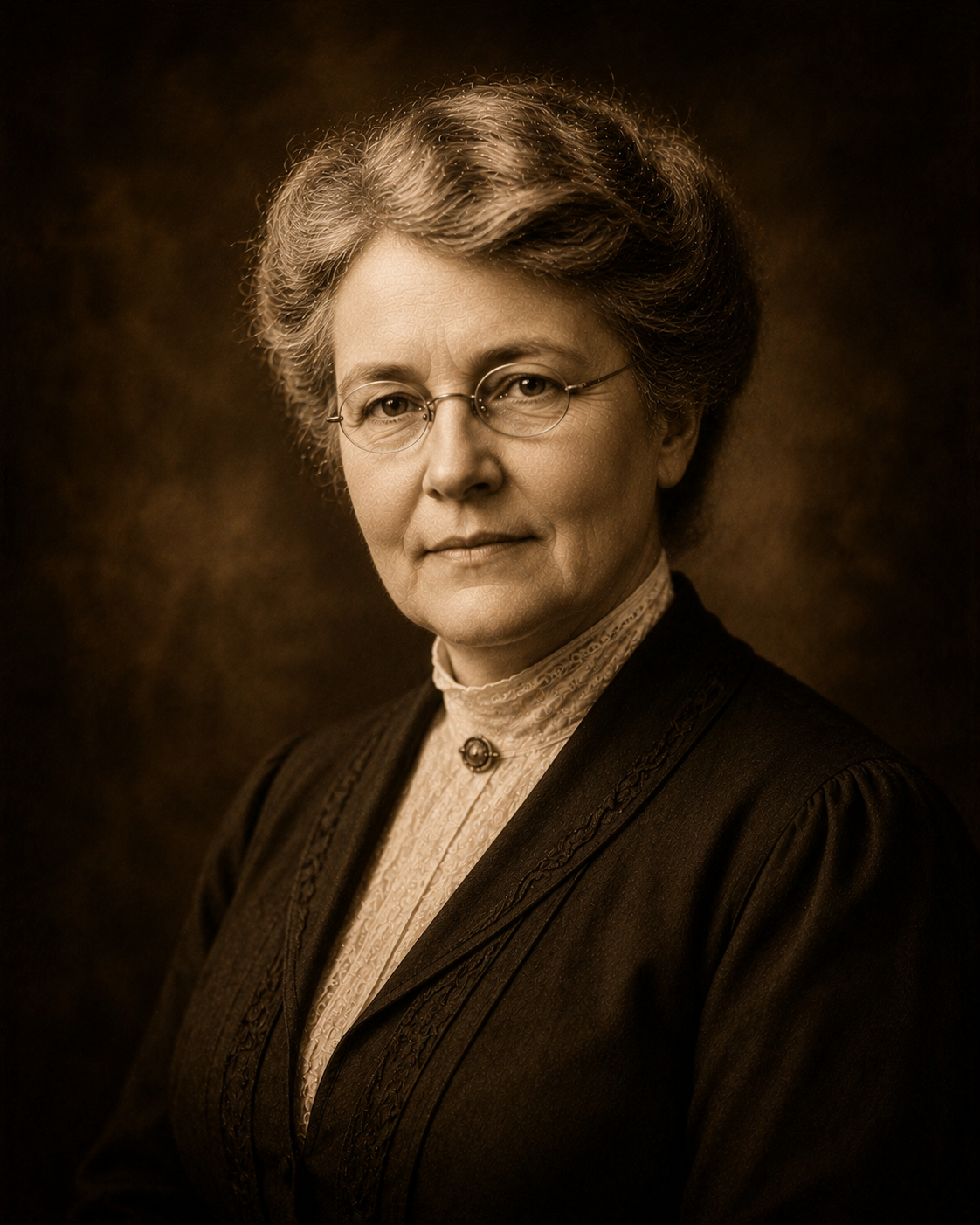
Henrietta Swan Leavitt studied photographic plates at the Harvard College Observatory. While examining variable stars in the Magellanic Clouds, she identified a relationship between the period of a Cepheid star's brightness changes and its true luminosity. Astronomers could use this relationship to estimate distances across space.
Scientific Contribution
The relationship between a Cepheid variable star's pulsation period and intrinsic luminosity, known as Leavitt's Law.
Life Timeline
career
Leavitt began working with photographic plates at Harvard College Observatory, studying and cataloguing variable stars.
discovery
Leavitt reported that brighter Cepheid variables in the Small Magellanic Cloud had longer periods.
publication
Her 1912 work quantified the relationship between Cepheid period and luminosity, creating a powerful basis for measuring astronomical distances.
Places & Networks
observatory
Cambridge , United States
View Institution →Continue Exploring