Harvard stellar classification system
The stellar spectral classification sequence that became the foundation of modern stellar classification.
Scientist Exhibit
Astronomy & Astrophysics
Developed the stellar classification sequence used in modern astronomy
Overview
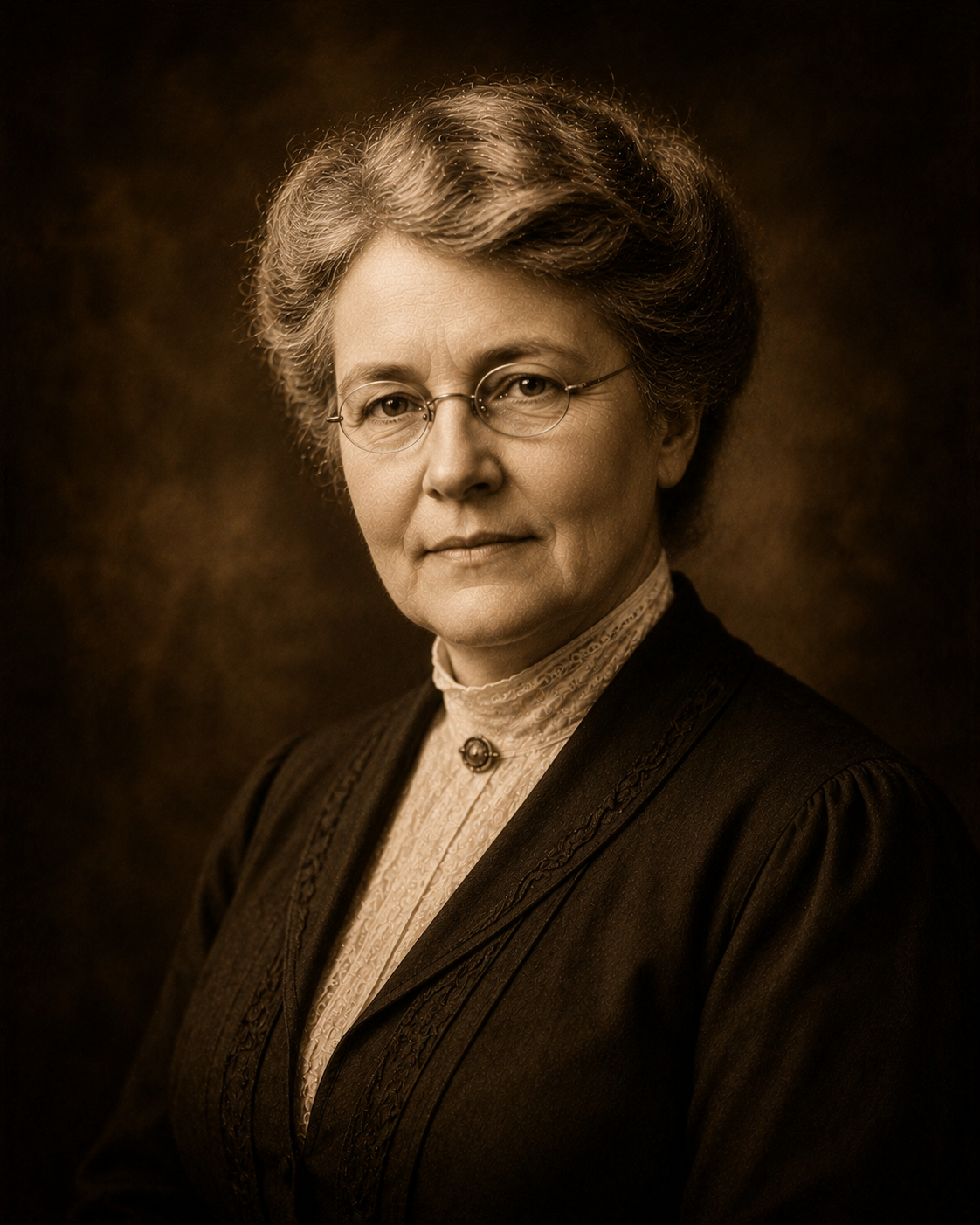
Annie Jump Cannon classified hundreds of thousands of stellar spectra at the Harvard College Observatory. She organized stars into the sequence O, B, A, F, G, K, and M, a system based on spectral features and closely connected to stellar temperature. Her work created an enduring framework used by astronomers worldwide.
Scientific Contribution
The stellar spectral classification sequence that became the foundation of modern stellar classification.
Life Timeline
career
Cannon joined the Harvard College Observatory and began the stellar-classification work for which she became internationally known.
discovery
Cannon developed the practical O-B-A-F-G-K-M spectral sequence, organising stars primarily by temperature and spectral characteristics.
career
Cannon became curator of astronomical photographs at Harvard College Observatory while continuing large-scale stellar classification.
publication
The Henry Draper Catalogue began publication with Cannon's classifications, ultimately cataloguing spectra for hundreds of thousands of stars.
Places & Networks
observatory
Cambridge , United States
View Institution →Continue Exploring