Radioimmunoassay
A highly sensitive technique for measuring very small concentrations of hormones and other biological substances.
Scientist Exhibit
Physics • Medicine & Health
Co-developed radioimmunoassay for measuring tiny concentrations of hormones and other biological substances
Overview
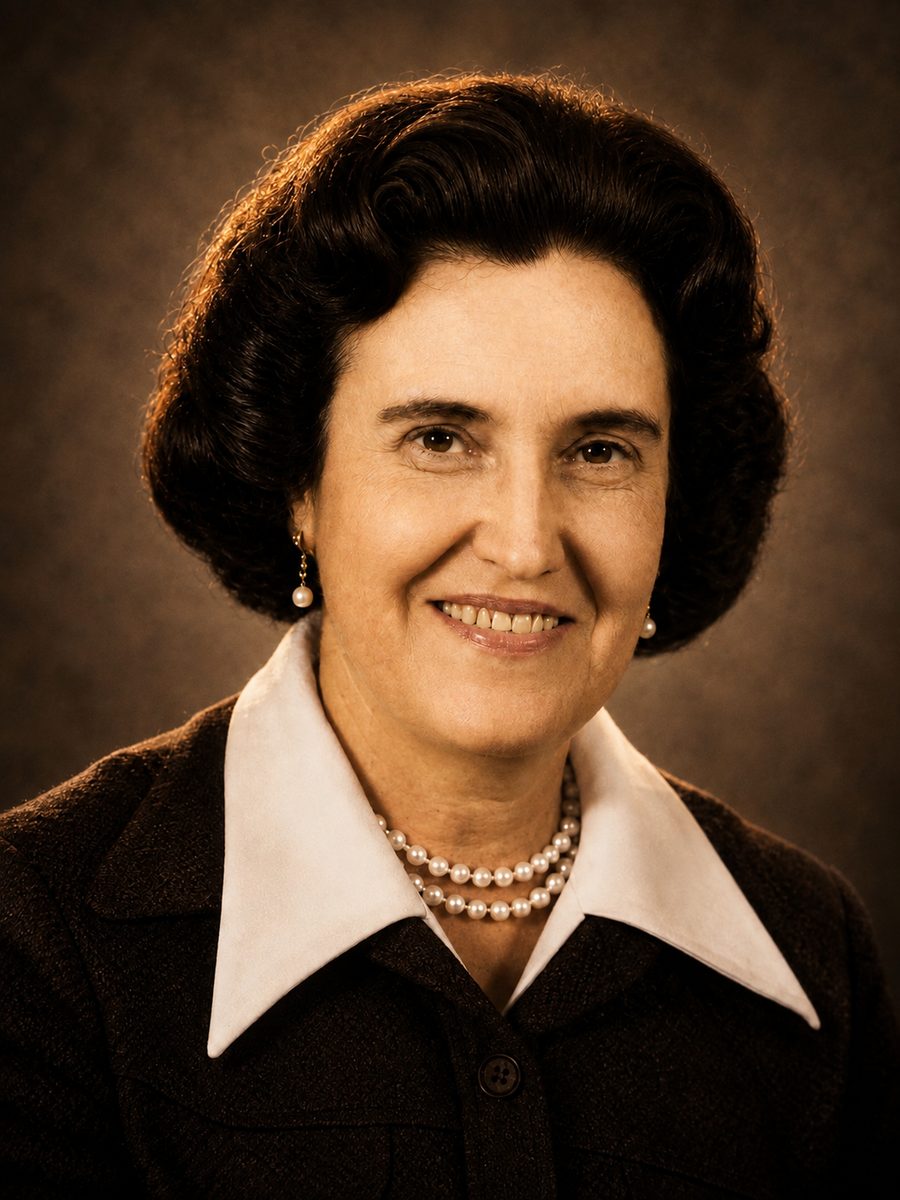
Rosalyn Yalow was a medical physicist who, with Solomon Berson, developed radioimmunoassay, or RIA. The technique uses radioactive tracers and antibodies to measure extremely small concentrations of substances such as hormones in blood. RIA transformed endocrinology, diagnostics, and biomedical research. Yalow received the 1977 Nobel Prize in Physiology or Medicine.
Scientific Contribution
A highly sensitive technique for measuring very small concentrations of hormones and other biological substances.
Life Timeline
career
Yalow began the long research career at the Bronx VA Medical Center where she would collaborate with physician Solomon Berson.
discovery
Yalow and Berson developed radioimmunoassay, an exceptionally sensitive method for measuring tiny concentrations of hormones and other substances in blood.
award
Yalow shared the 1977 Nobel Prize in Physiology or Medicine for the development of radioimmunoassays of peptide hormones.
award
Yalow received the United States National Medal of Science for her contributions to medical physics and biomedical research.
Places & Networks
hospital/research institution
Bronx , United States
View Institution →Continue Exploring