Complete ichthyosaur and plesiosaur skeleton discoveries
Discovery and preparation of landmark marine-reptile fossils that helped shape early palaeontology.
Scientist Exhibit
Earth & Palaeoscience
Recovered and identified major marine reptile fossils from the Jurassic coast
Overview
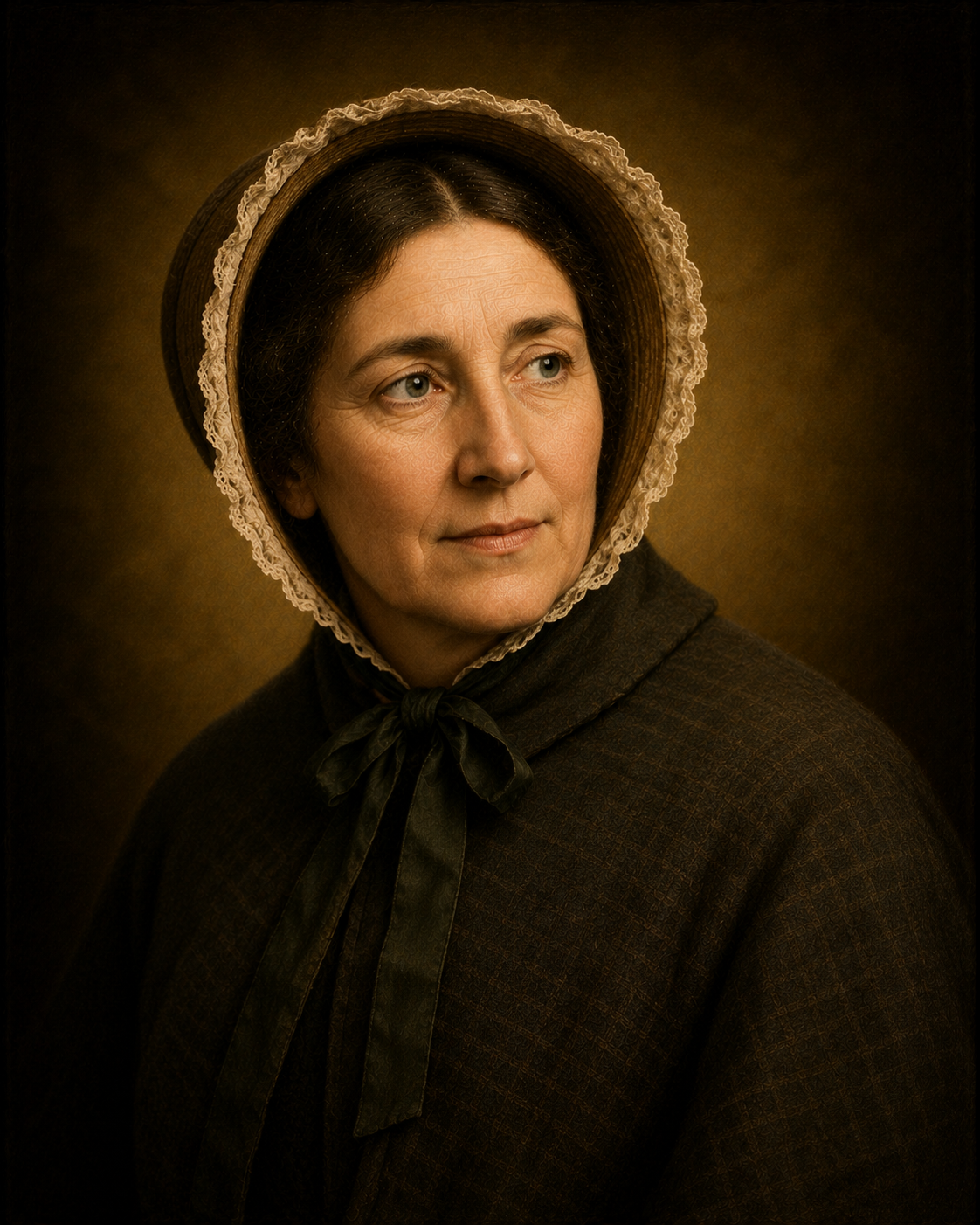
Mary Anning collected and prepared fossils along the cliffs near Lyme Regis in England. Her discoveries included important ichthyosaur, plesiosaur, and pterosaur specimens that helped scientists reconstruct ancient marine ecosystems. Her finds contributed to changing ideas about extinction and Earth's deep history.
Scientific Contribution
Discovery and preparation of landmark marine-reptile fossils that helped shape early palaeontology.
Life Timeline
discovery
After her brother Joseph found the skull, Anning excavated the rest of a large marine reptile skeleton near Lyme Regis; it became the first largely complete ichthyosaur to be scientifically studied.
discovery
Anning uncovered the first known articulated skeleton of a complete plesiosaur, transforming scientific understanding of this extinct marine-reptile group.
discovery
Anning uncovered fossil remains later assigned to Dimorphodon, the first pterosaur discovered outside Germany.
career
Henry De la Beche created Duria Antiquior from fossil evidence including Anning's discoveries and sold prints to help support her financially.
Places & Networks
No institution affiliations are recorded yet.
Continue Exploring