Modified nucleosides for therapeutic mRNA
Nucleoside-base modifications that reduced unwanted immune activation and enabled effective mRNA-based vaccines.
Scientist Exhibit
Biology & Life Sciences • Medicine & Health
Developed nucleoside-base modifications that enabled effective mRNA vaccines
Overview
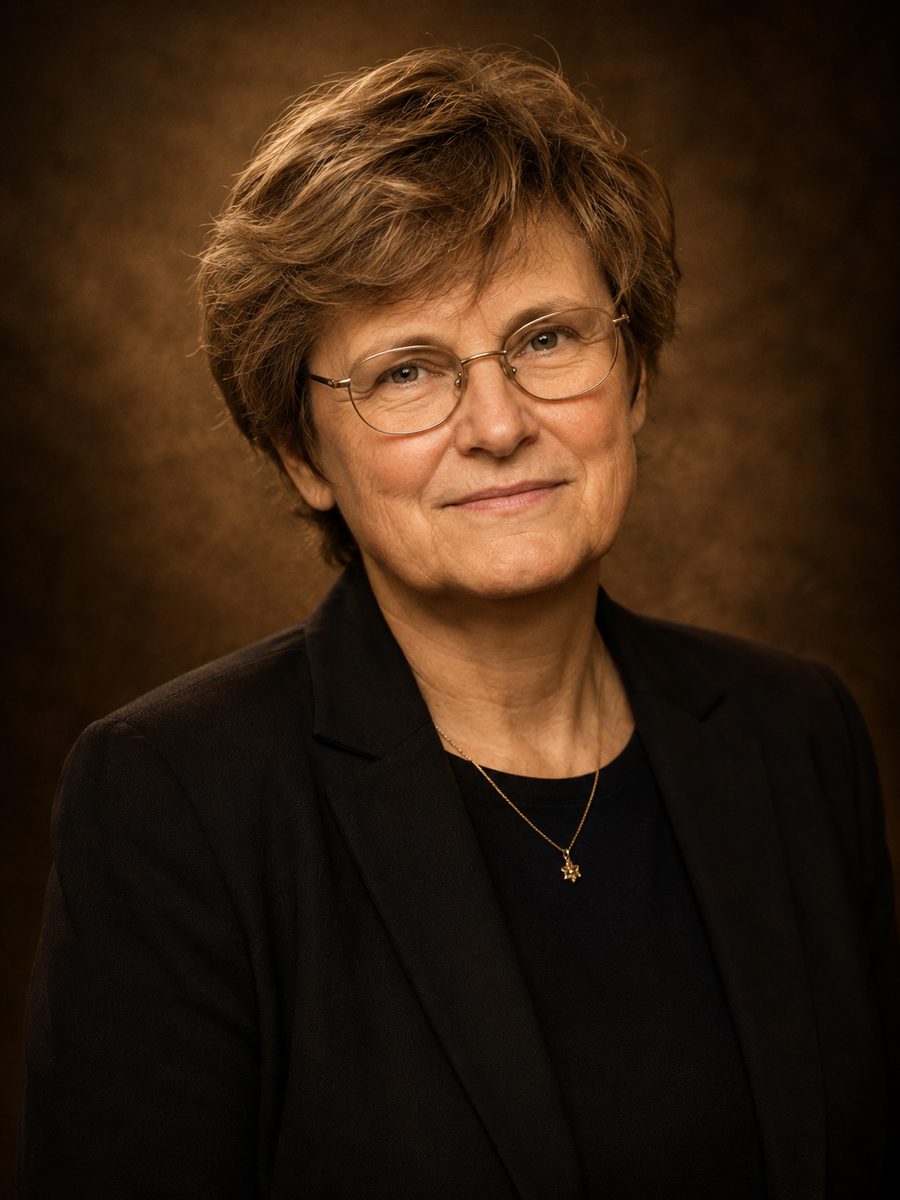
Katalin Karikó is a biochemist whose decades of research helped make messenger RNA suitable for medical use. Working with Drew Weissman, she showed that modifying nucleosides in laboratory-made mRNA could reduce harmful inflammatory responses while allowing the molecule to deliver useful instructions to cells. The breakthrough became essential to the development of highly effective mRNA vaccines against COVID-19. Karikó shared the 2023 Nobel Prize in Physiology or Medicine.
Scientific Contribution
Nucleoside-base modifications that reduced unwanted immune activation and enabled effective mRNA-based vaccines.
Life Timeline
career
Karikó moved from Hungary to the United States and joined Temple University, continuing her work on messenger RNA.
career
Karikó joined the University of Pennsylvania, where she pursued the therapeutic potential of messenger RNA despite limited support for the approach.
career
Karikó began working with immunologist Drew Weissman on overcoming inflammatory responses triggered by synthetic mRNA.
discovery
Karikó and Weissman showed that replacing uridine with modified nucleosides could suppress unwanted immune activation caused by in-vitro-transcribed mRNA.
award
Karikó shared the Nobel Prize with Drew Weissman for discoveries concerning nucleoside base modifications that enabled effective mRNA vaccines against COVID-19.
Places & Networks
medical school
Philadelphia , United States
View Institution →Continue Exploring