Rational drug design
Systematic development of drugs by targeting specific biochemical processes rather than relying only on trial and error.
Scientist Exhibit
Chemistry • Biology & Life Sciences • Medicine & Health
Developed rational drug-design methods and treatments for leukemia and other diseases
Overview
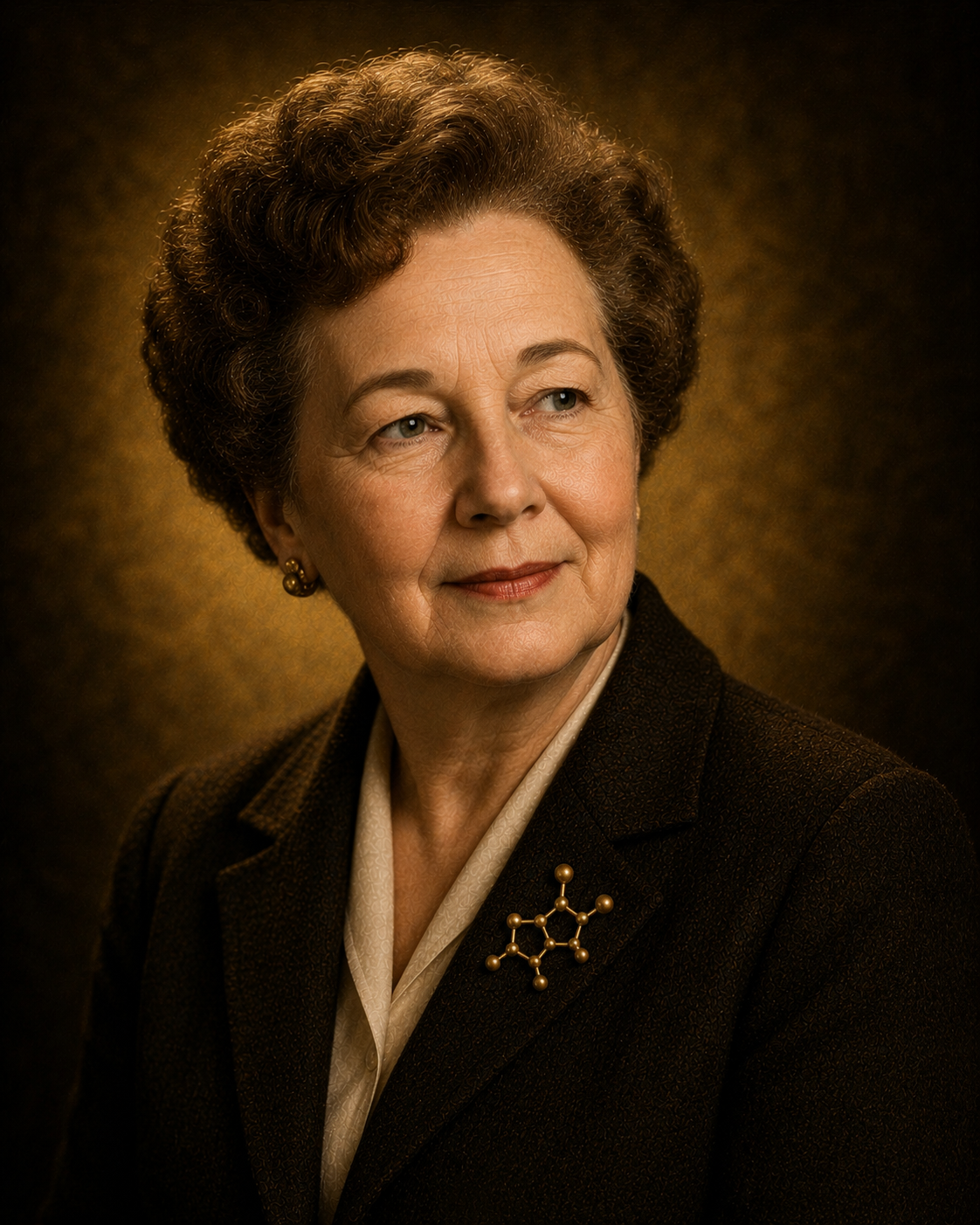
Gertrude B. Elion helped pioneer a systematic approach to drug development based on differences between healthy cells and disease-causing organisms. Working with George Hitchings and colleagues, she contributed to medicines used against leukemia, malaria, gout, viral infections, and transplant rejection.
Scientific Contribution
Systematic development of drugs by targeting specific biochemical processes rather than relying only on trial and error.
Life Timeline
career
Elion joined George Hitchings's laboratory at Burroughs Wellcome and began the long programme of rational drug research that defined her career.
discovery
Elion and colleagues developed compounds that interfered selectively with purine metabolism, opening routes to new treatments for leukaemia and other diseases.
discovery
The purine-analogue research programme led to azathioprine, which became important in organ transplantation and autoimmune disease.
award
Elion shared the 1988 Nobel Prize with George Hitchings and James Black for important principles of drug treatment.
Places & Networks
research laboratory
United States
View Institution →Continue Exploring