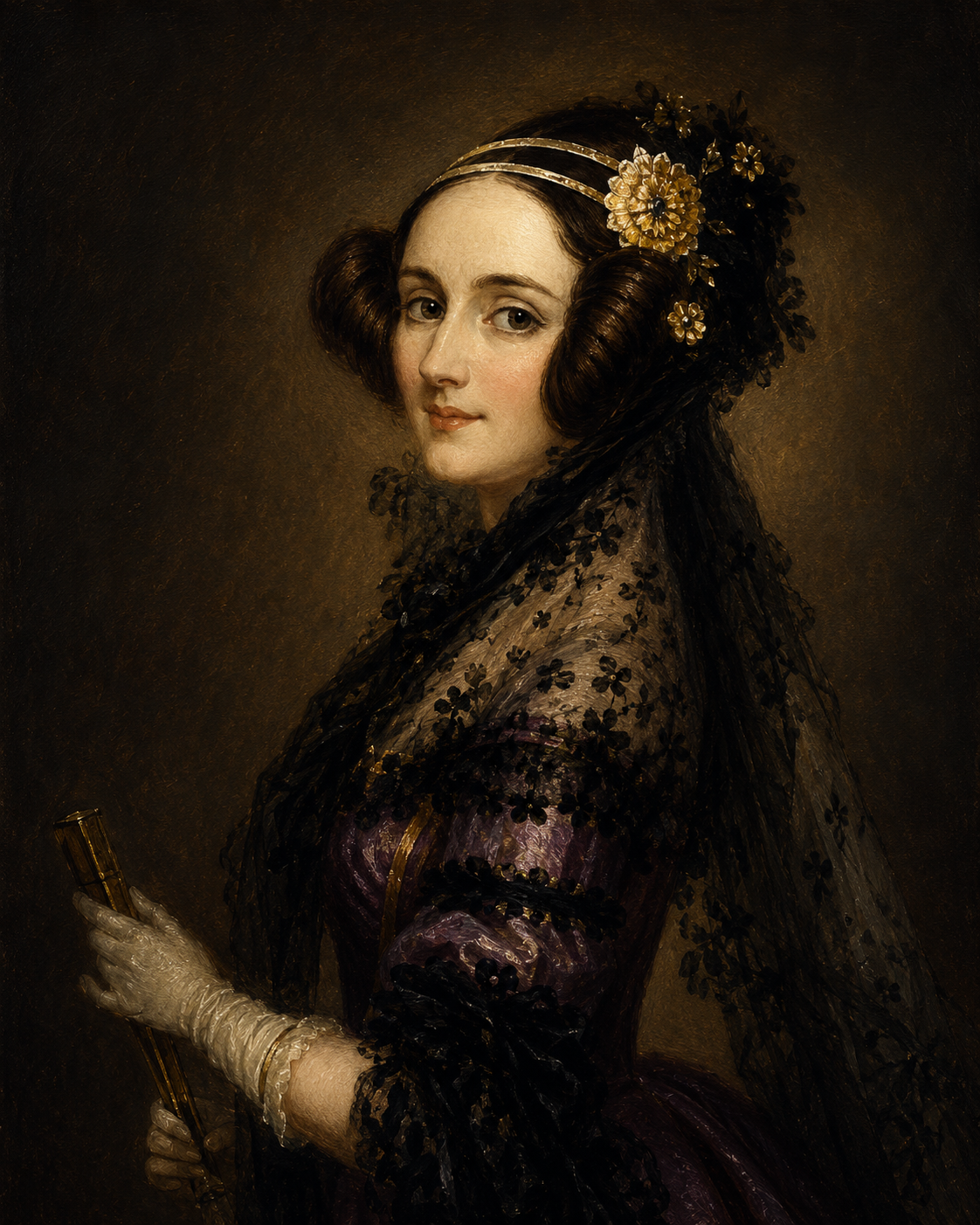
Foundational work in abstract algebra
Major advances in the structural foundations of modern abstract algebra.
Scientist Exhibit
Mathematics • Physics
Noether's theorem connected symmetries with conservation laws
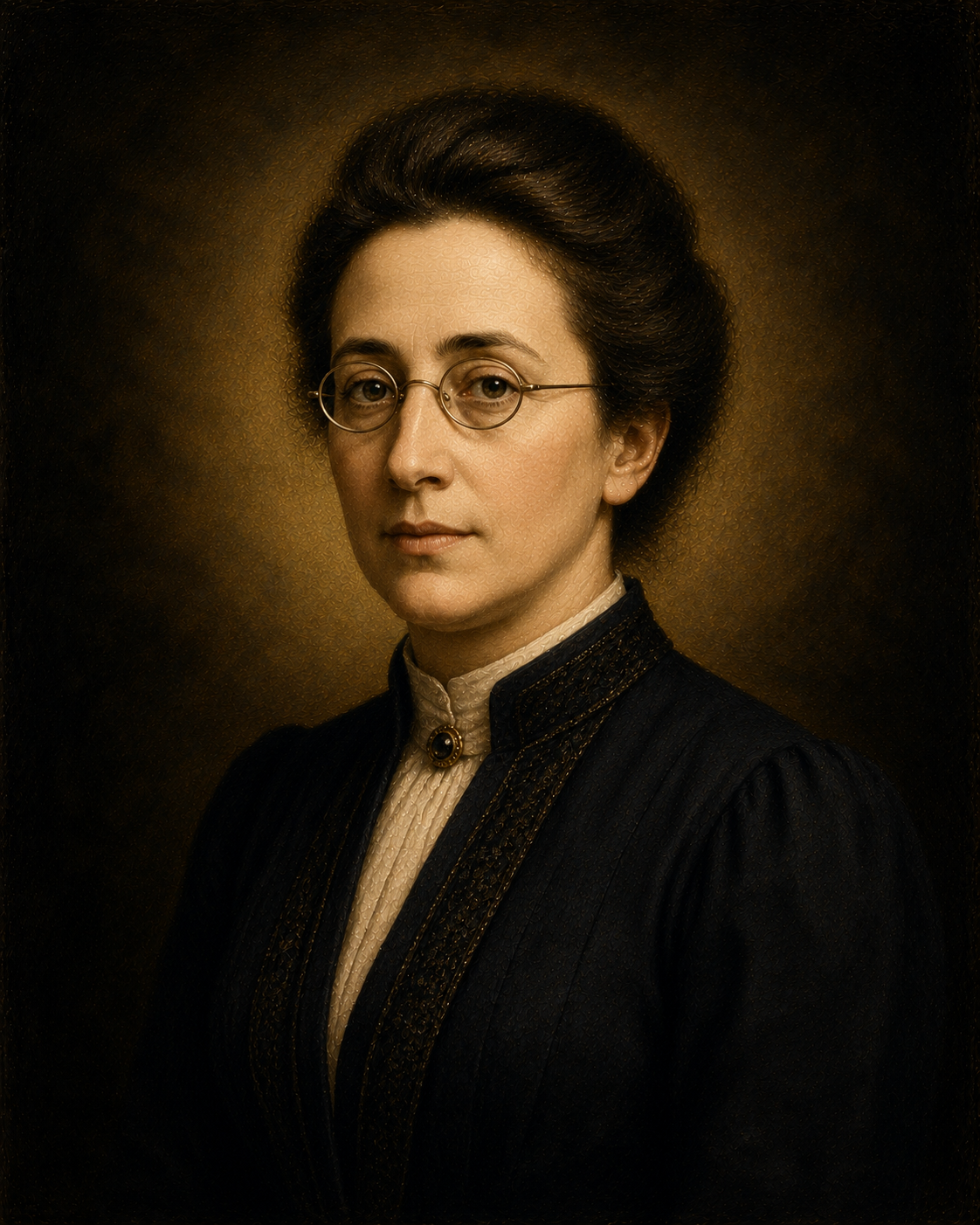
Overview
Emmy Noether reshaped modern algebra and mathematical physics. Her theorem showing that continuous symmetries correspond to conservation laws created a deep bridge between mathematics and physics. She also made foundational contributions to abstract algebra, especially the study of rings, ideals, and modules.
Scientific Contribution
Major advances in the structural foundations of modern abstract algebra.
The theorem connecting continuous symmetries of physical systems with conservation laws.
Life Timeline
education
Noether completed her doctorate in mathematics at the University of Erlangen.
career
Felix Klein and David Hilbert brought Noether to Göttingen, where she worked on mathematical questions arising from general relativity.
publication
Noether's invariant-variation work established the profound connection now known as Noether's theorem.
career
After legal barriers to women's habilitation were removed, Noether obtained her habilitation and could lecture under her own name.
career
Dismissed from Göttingen by the Nazi government, Noether moved to the United States and joined Bryn Mawr College.
Places & Networks
university
Göttingen , Germany
View Institution →university
Bryn Mawr , United States
View Institution →Continue Exploring