Experimental proof of parity violation
Experimental demonstration that parity symmetry is violated in weak nuclear interactions.
Scientist Exhibit
Physics
Experimental demonstration that parity is not conserved in weak interactions
Overview
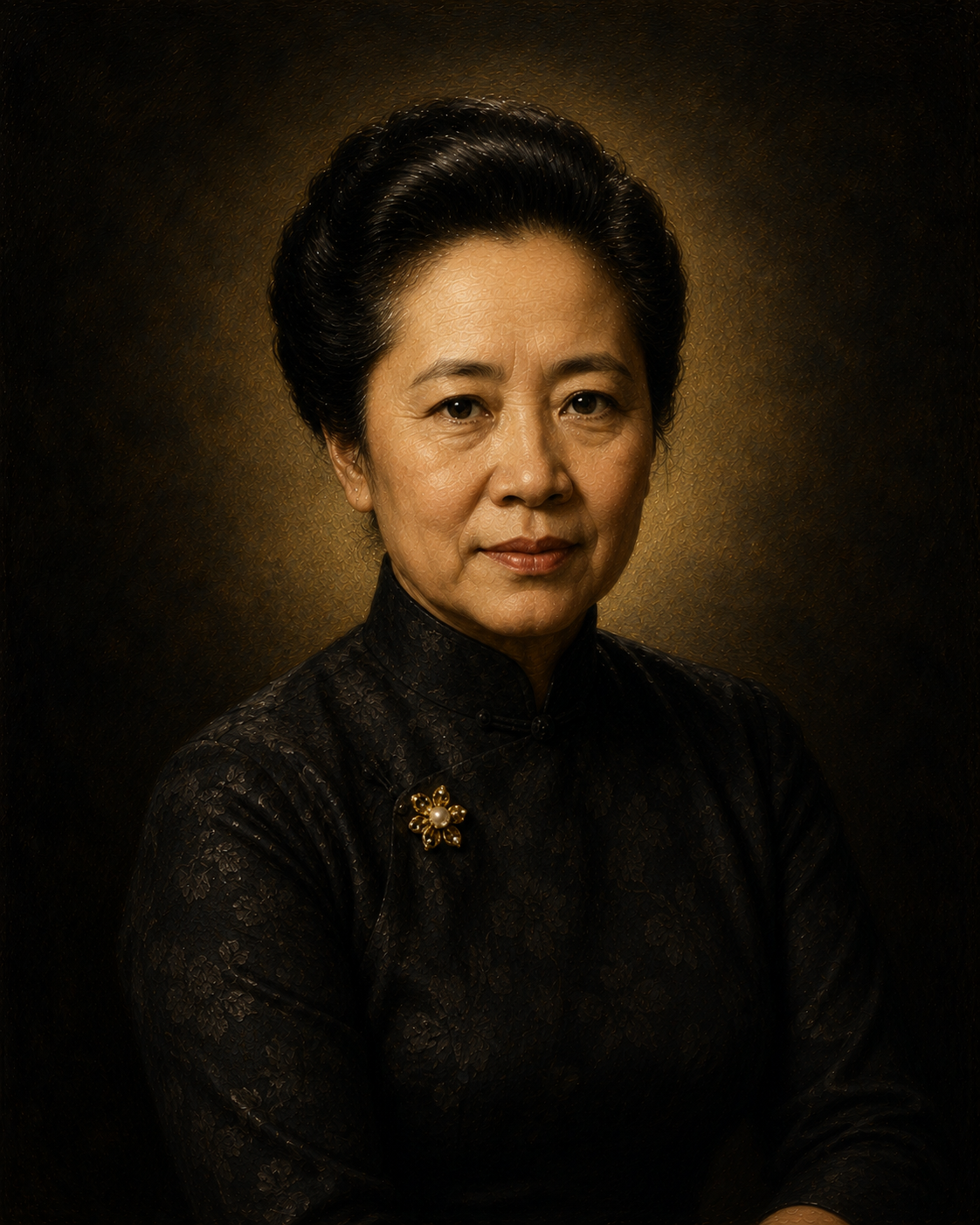
Chien-Shiung Wu was an experimental physicist renowned for the precision of her laboratory work. Her most famous experiment tested a prediction about parity in weak nuclear interactions and demonstrated that nature does not always behave symmetrically under mirror reflection. She also contributed to nuclear physics during the Manhattan Project and later conducted important research on beta decay.
Scientific Contribution
Experimental demonstration that parity symmetry is violated in weak nuclear interactions.
Life Timeline
career
Wu joined Columbia University in 1944 and contributed to wartime research connected with the Manhattan Project.
discovery
Wu designed and carried out the landmark beta-decay experiment that demonstrated parity is not conserved in weak interactions.
career
Wu became a full professor at Columbia University and was elected to the National Academy of Sciences the same year.
career
Wu became the first woman to serve as president of the American Physical Society.
award
Wu received the United States National Medal of Science for her contributions to physics.
award
Wu received the inaugural Wolf Prize in Physics.
Places & Networks
university
New York , United States
View Institution →Continue Exploring