Hydrogen and helium as the dominant elements in stars
Demonstration that stars are composed predominantly of hydrogen and helium.
Scientist Exhibit
Astronomy & Astrophysics
Showed that stars are composed mainly of hydrogen and helium
Overview
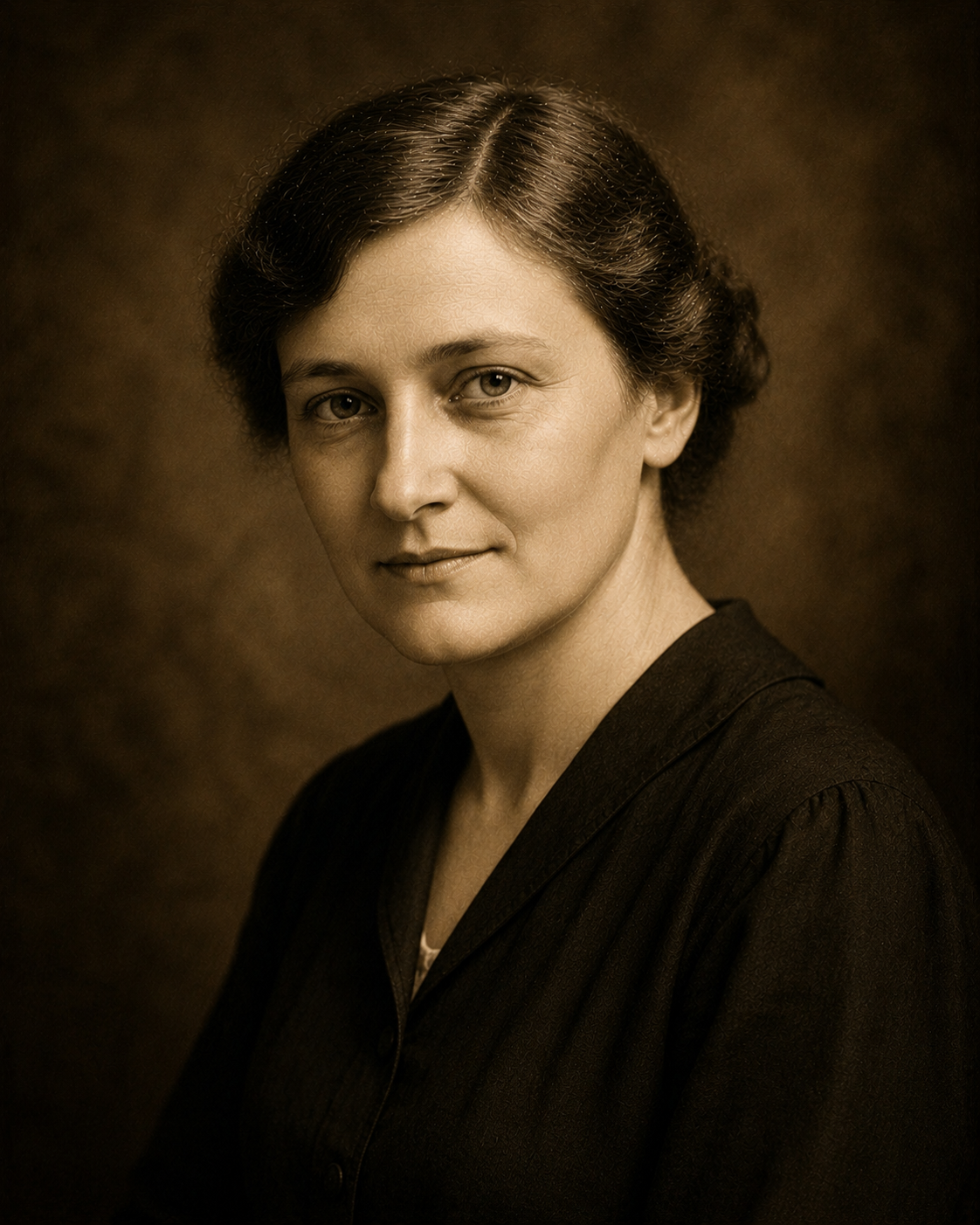
Cecilia Payne-Gaposchkin applied atomic physics to stellar spectra and concluded that stars are made primarily of hydrogen and helium. This overturned the prevailing assumption that stars had a composition similar to Earth. Her doctoral research became a cornerstone of modern astrophysics, and she later became the first woman to chair a department at Harvard.
Scientific Contribution
Demonstration that stars are composed predominantly of hydrogen and helium.
Life Timeline
career
Payne left Britain for the United States to pursue astronomy at Harvard College Observatory.
publication
Her doctoral thesis applied ionisation theory to stellar spectra and showed that hydrogen and helium are enormously abundant in stars.
discovery
Payne's analysis overturned the prevailing assumption that stars had broadly Earth-like elemental compositions.
career
Payne-Gaposchkin became a full professor at Harvard and chaired the astronomy department.
Places & Networks
observatory
Cambridge , United States
View Institution →Continue Exploring